Material identity
Distinguish the proprietary mineral formulation from the polymer, fiber, yarn, coating, fabric, and finished article that carries it. Ask which composition document applies to the actual sample.
Evidence review workflow
A useful review begins before a benefit statement is drafted. We organize the carrier, incorporation route, textile construction, intended application, target market, test method, study population, and endpoint so that unlike evidence is not collapsed into a single promise.
This independent guide does not quote CELLIANT material, license technology, approve partners, or validate finished goods. It helps product teams see which current documents should be requested from Hologenix or another appropriately authorized source.

Distinguish the proprietary mineral formulation from the polymer, fiber, yarn, coating, fabric, and finished article that carries it. Ask which composition document applies to the actual sample.
Mark embedded fiber or yarn separately from CELLIANT Print. Do not assume equal loading, wash behavior, hand, emission, or test coverage between constructions.
Match ash, XRF, emissivity, TcPO2, HSI, mechanical, or user-study evidence to the question each method can answer. One method cannot substitute for another.
Keep general-wellness language separate from disease treatment, diagnosis, prevention, or guaranteed recovery. Preserve qualifiers wherever a result is summarized.
Case pattern: route mismatch
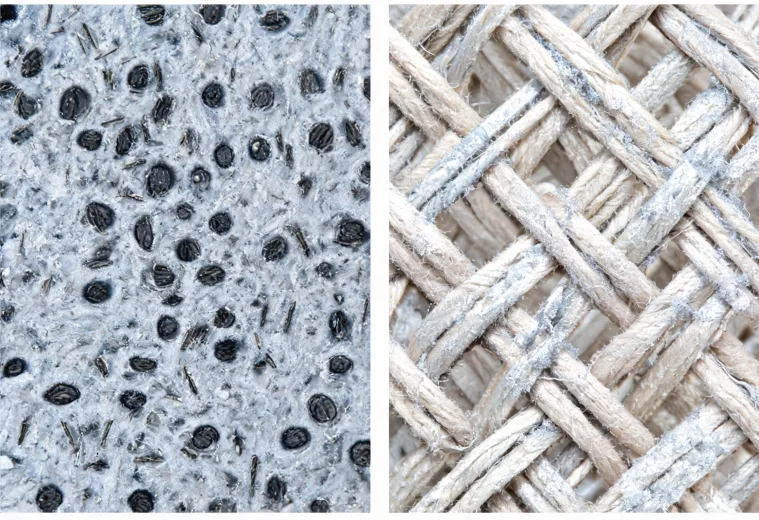
The two routes place the ingredient differently within or upon a textile. A defensible file records how the specimen was made, the prescribed loading, the substrate, conditioning, laundering or abrasion exposure, and the method used to confirm ingredient presence and infrared emission.
If the intended product uses a topical print, evidence from an embedded polyester shirt may provide background context but does not establish the print's durability or human outcome. The correct next step is not to strengthen the wording; it is to request route-specific evidence.
Case pattern: population drift
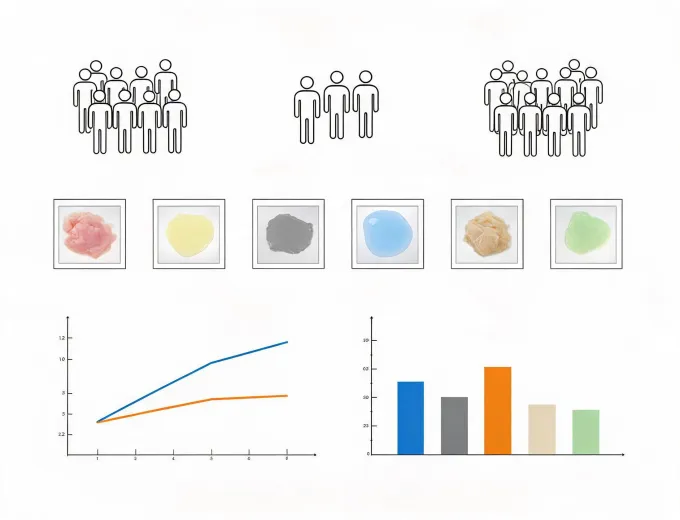
A study in healthy participants, or a study involving a defined clinical population, does not create an unrestricted outcome for every wearer. Note sample size, comparator, exposure duration, garment or textile construction, anatomical site, endpoint, uncertainty, funding disclosure, and publication status.
CELLIANT's official general-wellness boundary concerns temporarily promoting increased local circulation at the site of application in healthy individuals. The FDA has not approved or designated CELLIANT products for any purpose and has not determined or endorsed their stated use or benefits.
Describe the carrier, embedded or print route, fabric construction, end use, jurisdiction, and exact sentence under review. We can organize the question, but only current first-party documentation and competent regulatory review can establish what is supportable.