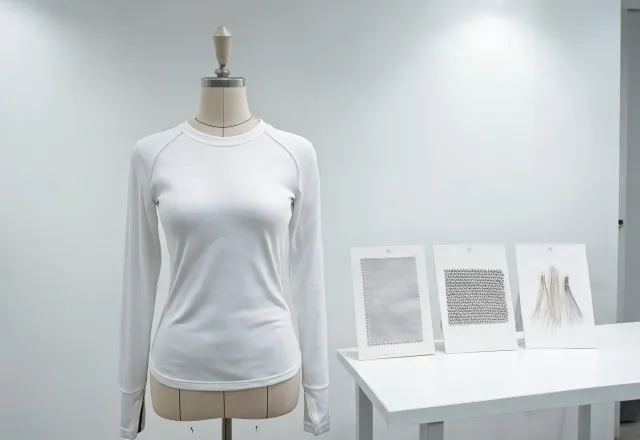
Apparel and uniforms
Record fiber route, yarn count or denier, knit or weave, GSM, fit, body proximity, color, finish, care cycle, use duration, and the intended wellness sentence.
Application context
Apparel, bedding, upholstery, medical supplies, uniforms, footwear, animal care, and other textile applications place the carrier at different distances from the body and expose it to different construction, care, wear, and regulatory conditions.
An application label is therefore not a performance result. Begin with the exact textile architecture and market responsibility.
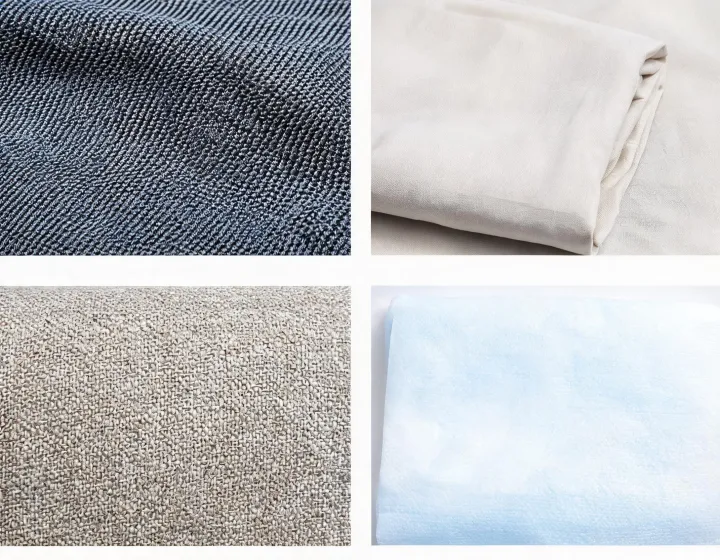
Record fiber route, yarn count or denier, knit or weave, GSM, fit, body proximity, color, finish, care cycle, use duration, and the intended wellness sentence.
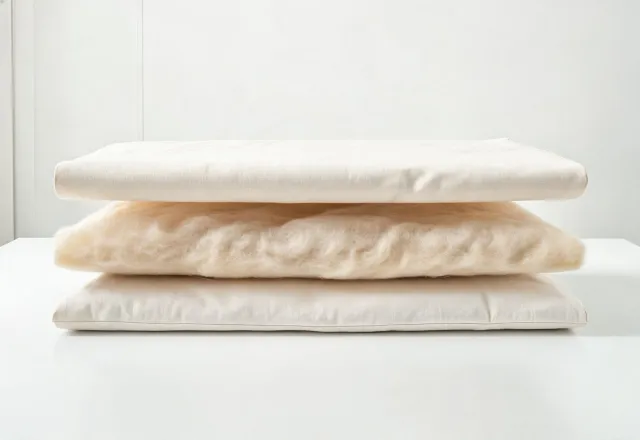
Separate mattress ticking, sheet, pillow, cover, insulation, and topical print. Note intervening layers, laundering, contact duration, and whether the cited study used the same construction.
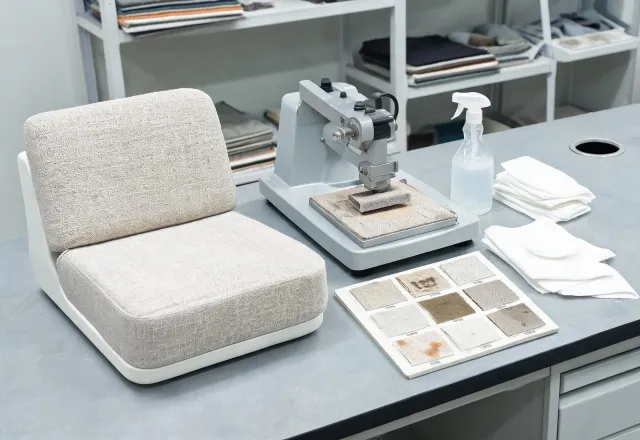
Evaluate distance from occupants, backing, lamination, abrasion, cleaning chemistry, flame requirements, emission protocol, and whether a human endpoint is relevant to actual exposure.
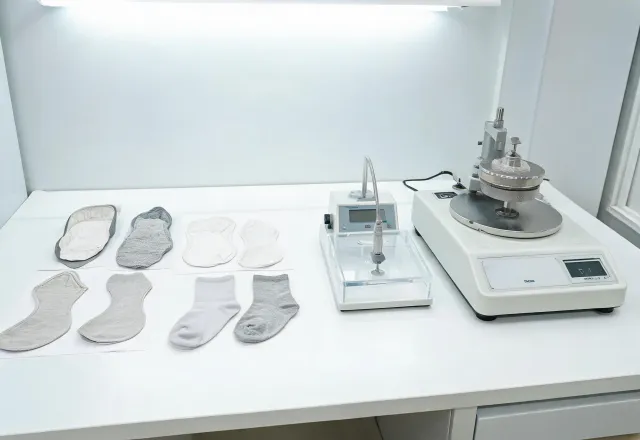
Document anatomical site, layer stack, compression, moisture, wash cycle, wear duration, and the exact healthy or clinical population used in any cited research.
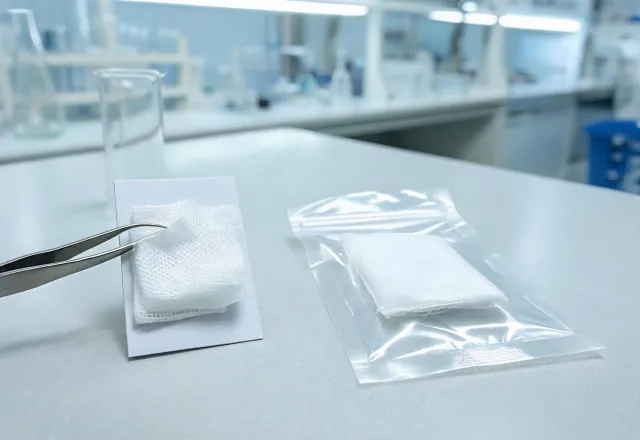
Do not infer treatment, healing, pain reduction, or disease outcomes from general-wellness language. Product classification and claims require exact jurisdictional and intended-use review.
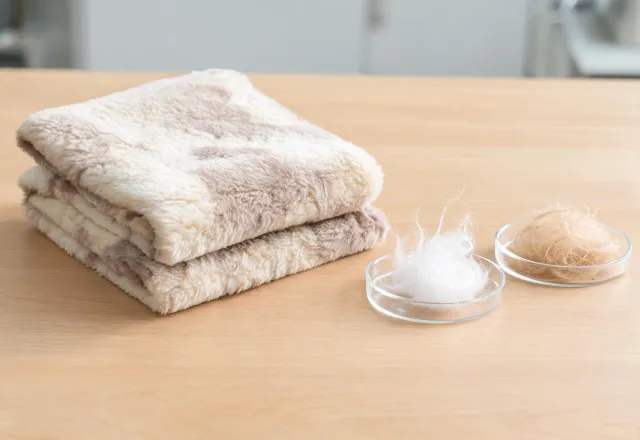
Human-study endpoints cannot be transferred automatically to animals. Specify species, construction, exposure, welfare oversight, and applicable evidence before describing a benefit.
A match must be demonstrated; it should never be assumed from the CELLIANT name alone.
| Route | Key construction question | Evidence to request | Common overreach to avoid |
|---|---|---|---|
| Staple fiber | Polymer, blend, loading, spinning route | Composition, identity, yarn and fabric records | Assuming every blend equals a studied specimen |
| Filament or spun yarn | Denier/count, ply, blend, knit/weave | Yarn specification and finished-fabric test scope | Transferring yarn presence into a health outcome |
| Fabric or nonwoven | Construction, GSM, finish, layer position | Lot-specific material and applicable performance reports | Calling a method report a universal certification |
| Topical print | Substrate, add-on, pattern, adhesion, care | Print-specific identity, emission, and durability context | Borrowing embedded-fiber durability claims |
A precise construction brief makes it possible to find the right official document and to identify where a new product-specific test may be needed.